Why System Design is Essential for Software Engineers
In today’s world of scalable apps, massive traffic, and global users, writing good code is no longer enough. If you want to build real-world software that performs, scales, and survives — you need to understand system design.
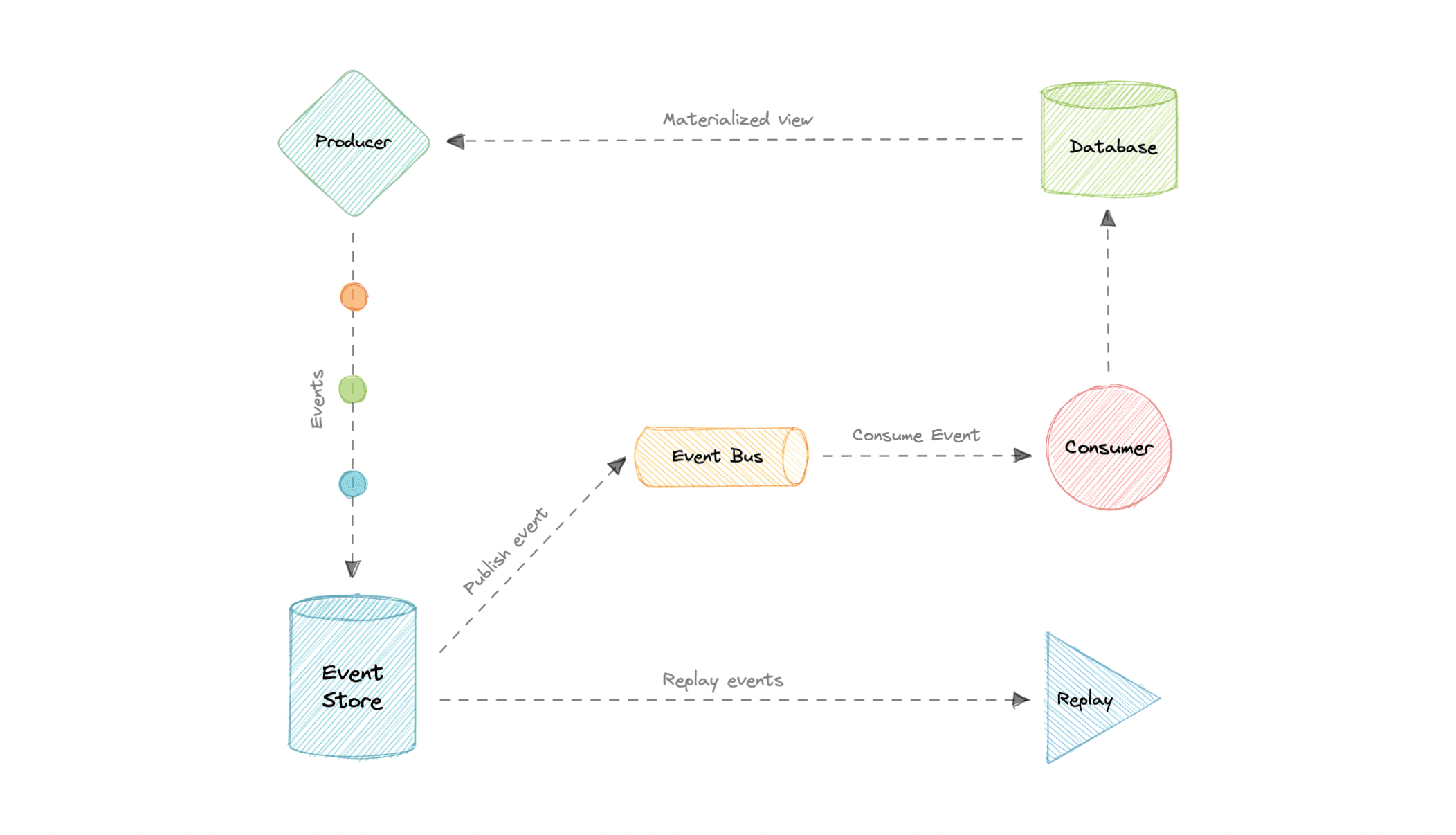
In today’s world of scalable apps, massive traffic, and global users, writing good code is no longer enough. If you want to build real-world software that performs, scales, and survives — you need to understand system design.
So what exactly is system design, and why should every software engineer care about it?
Let’s dive in.
🔍 What is System Design?
System design is the process of defining the architecture, components, modules, interfaces, and data for a system to satisfy specified requirements.
Put simply:
It’s how you design a solution that works not just in theory — but at scale, with millions of users, across multiple servers, with real-world constraints.
It covers concepts like:
Load balancing
Caching
Database sharding
API gateways
Microservices vs Monolith
Data consistency
Message queues
Rate limiting
And more…
🚀 Why It’s Essential to Learn System Design
1. ✅ Real-World Projects Need It
In production, you’re not just writing functions — you're designing how systems interact, where data flows, how to handle traffic spikes, and how to recover from failures.
Without system design, you risk building something that:
Crashes under load
Has security holes
Becomes impossible to scale
2. 📈 It’s Key to Career Growth
Whether you're aiming for a Senior Engineer, Architect, or Tech Lead role, system design is the skill that sets you apart.
In fact, most FAANG-level interviews include dedicated rounds for system design. It shows your ability to:
Think at scale
Communicate technical ideas clearly
Make trade-offs under constraints
3. 🧠 It Teaches Trade-offs and Critical Thinking
There’s no perfect solution — only trade-offs.
System design helps you think:
Should I choose SQL or NoSQL?
Should I cache aggressively or hit the DB every time?
Should I prioritize consistency or availability?
You learn to analyze, debate, and justify your choices like a true engineer.
4. 🛡️ It Prepares You for the Unexpected
Designing for failures, retries, and disaster recovery is part of real-world software development.
System design teaches you to:
Add redundancy
Design for fault tolerance
Build graceful fallback strategies
Without it, your system might work — but only when everything goes perfectly. And let’s be honest: that’s rare.
5. 🌍 It Helps You Understand How Big Tech Works
Ever wonder how:
WhatsApp handles billions of messages per day?
Netflix streams high-quality video globally?
Uber matches rides in milliseconds?
Understanding system design gives you insight into the tech behind the apps you use daily — and teaches you how to build similar systems.
🧰 What You’ll Learn When Studying System Design
When you dive into system design, you'll explore:
Load balancers, CDN, DNS
Horizontal vs vertical scaling
CAP theorem and consistency models
RESTful APIs and gRPC
Event-driven architectures
Distributed systems patterns
🛠️ When Should You Start Learning System Design?
Start when:
You’re comfortable with coding and building small projects.
You’re applying for backend/full-stack or senior roles.
You want to build scalable, production-grade applications.
You're preparing for technical interviews at top companies.
Even for juniors, having basic system design literacy is a massive advantage.
🔚 Final Thoughts
System design is the bridge between writing code and building scalable software. It’s not just for “architects” or “10x engineers” — it’s for anyone who wants to grow, stand out, and build impactful systems.
Whether you're building a startup MVP or designing the next big thing, understanding how systems are built and scale is what will make you a complete engineer.