Do You Really Need DSA (Data Structures & Algorithms) as a Software Engineer?
You've probably seen YouTubers solving Leetcode all day, or heard stories of people cracking FAANG interviews by grinding 300+ questions. But is all that necessary? Is DSA really useful beyond interviews?
Let’s be real — almost every aspiring developer has asked this at some point: “Do I really need to learn Data Structures and Algorithms (DSA)?”
You've probably seen YouTubers solving Leetcode all day, or heard stories of people cracking FAANG interviews by grinding 300+ questions. But is all that necessary? Is DSA really useful beyond interviews?
Let’s break it down.
🧠 What is DSA, Really?
DSA stands for Data Structures and Algorithms. It’s the foundation of computer science — the “tools” and “strategies” to solve problems efficiently.
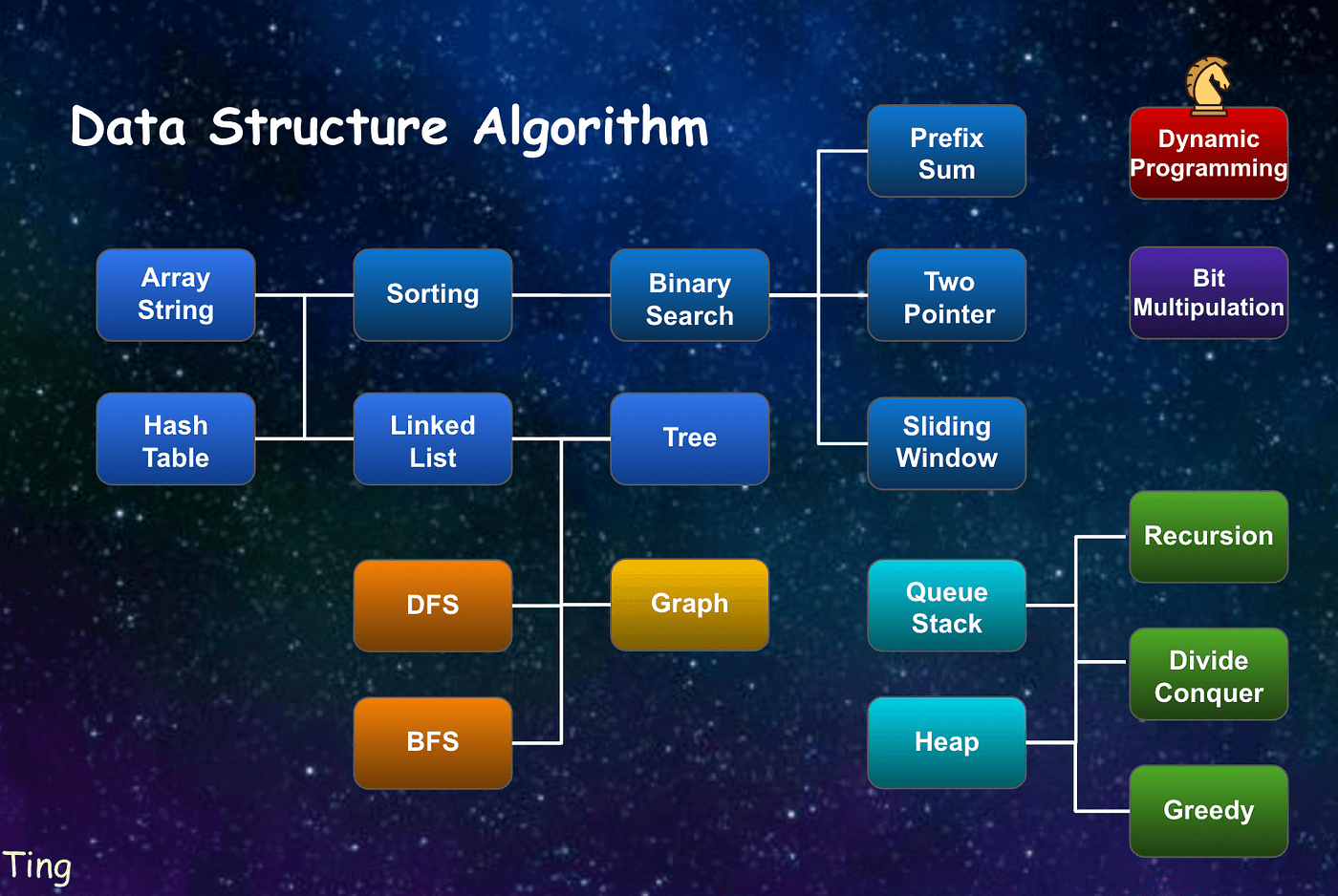
Data Structures are ways to organize data (e.g., Arrays, Linked Lists, Trees, Graphs, HashMaps).
Algorithms are step-by-step methods to solve problems (e.g., Binary Search, Sorting, Dynamic Programming, Recursion).
Think of DSA as the “gym” for your coding brain. It trains you to:
Think logically
Optimize performance
Break down problems into clean solutions
✅ When You Need DSA
1. Interview Prep for Top Tech Companies
If you're aiming for FAANG or any big tech company, DSA is a must. System design gets you through the final rounds, but DSA is what gets you in the room.
90% of technical interviews (especially for SDE roles) are DSA-based.
2. Competitive Programming / Coding Contests
If you enjoy contests like Codeforces, Leetcode, AtCoder, etc., DSA is your bread and butter.
3. Improving Problem-Solving Skills
DSA helps you become faster and more efficient at solving real-world logical problems — useful in backend, performance-critical systems, or just thinking clearly as an engineer.
❌ When You Don’t Need to Go Deep into DSA
1. You’re Focusing on Front-End or UI/UX
If you're aiming for roles that are design-heavy or mostly UI-focused, you won’t use graphs or heaps often. Focus more on frameworks, state management, accessibility, and performance.
2. You’re Building MVPs, Startups, or Side Projects
You don’t need to solve 50 DP problems to launch an app. Building stuff teaches you a lot — sometimes even more than DSA.
3. You're Not Targeting Product-Based Companies
Service-based companies often prioritize frameworks, practical knowledge, and communication over deep algorithm skills.
🛠️ So... What Should You Do?
Learn the basics: Arrays, HashMaps, Stacks, Queues, Linked Lists, Binary Search, Sorting — these come up everywhere.
Go deeper only if your goals require it: Interviews, competitive programming, or roles where optimization is key.
Balance it with building real stuff: Solve problems and build projects — that’s how you become a well-rounded developer.
💬 Final Verdict
No, you don’t need to master DSA to become a developer. But you do need a solid understanding of it if you want to:
Crack top tech interviews
Become a strong problem-solver
Understand what’s happening “under the hood”
Learn DSA not because it’s trendy — but because it sharpens your thinking. Just don’t let it stop you from actually building cool things.